Powder Coating vs Anodizing vs Plating: Choosing a Metal Finish
Compare powder coating, anodizing and plating on corrosion resistance, wear, appearance, conductivity, dimensional effect and cost - and learn which finish fits which part.

A metal part rarely ships bare. A finish protects it from corrosion, improves wear or appearance, and sometimes changes how it conducts heat or electricity. Three of the most common choices — powder coating, anodizing and plating — work in completely different ways and suit completely different jobs. Picking the wrong one means a part that fades, peels, corrodes or simply costs more than it needed to.
This guide compares the three on how they work, what they protect against, appearance, dimensional effect and cost, so you can specify the right finish on the right surface. It is written for engineers and buyers choosing finishes for machined and fabricated metal parts.
How Each Finish Works
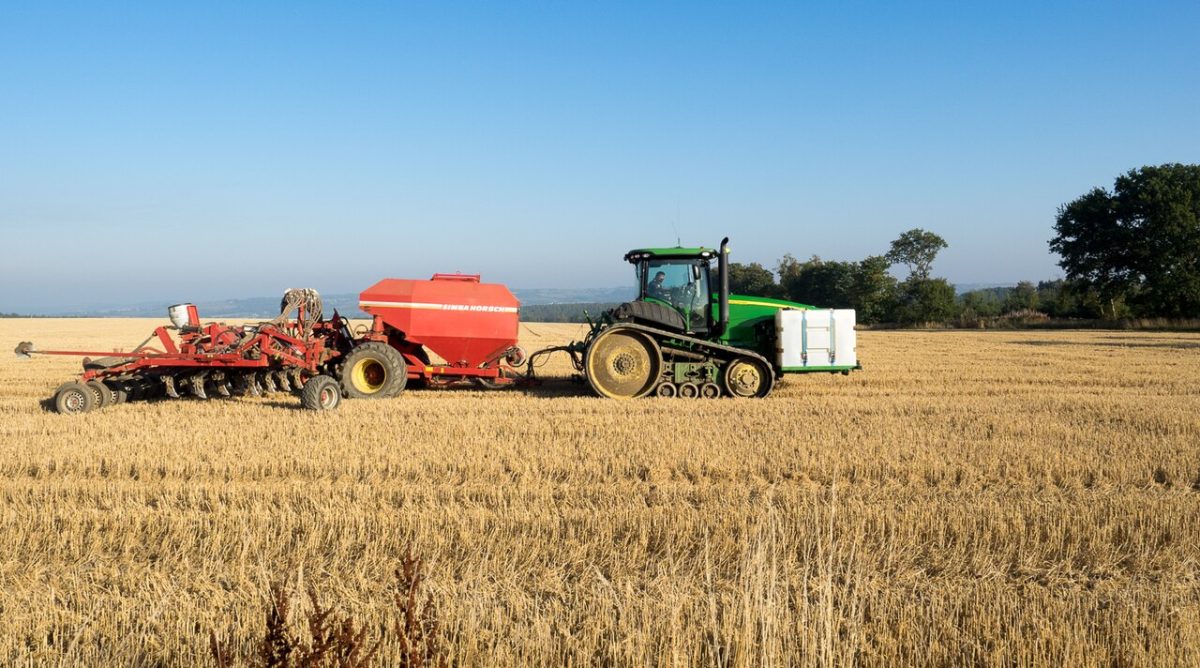
Powder coating applies a dry polymer powder electrostatically, then cures it in an oven into a thick, tough, even plastic film. It is a coating that sits on top of the metal.
Anodizing is an electrochemical process that grows a hard oxide layer out of the aluminium (or titanium) itself. It is not a coating added on top — it converts the surface, so it cannot chip or peel like paint. See our anodizing guide.
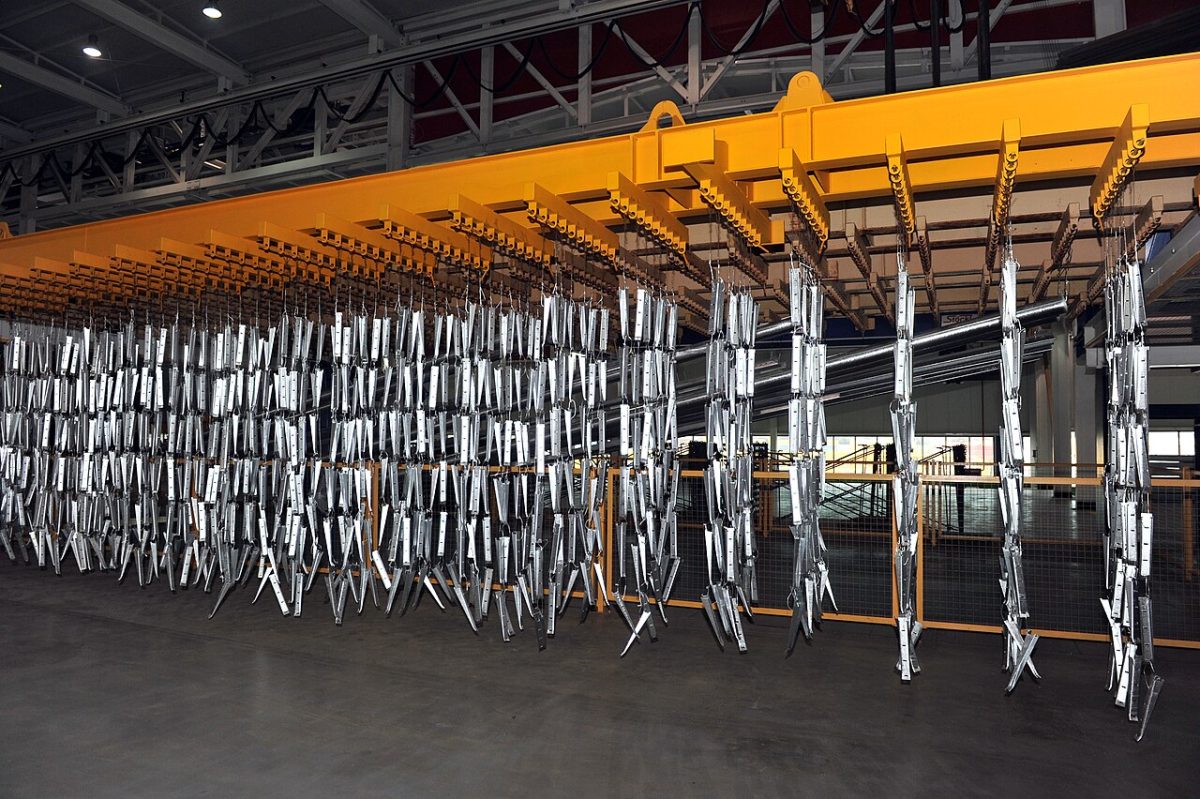
Plating deposits a thin layer of a different metal — nickel, zinc, chrome, tin, gold — onto the surface, electrically or chemically (electroless). The plated metal brings its own properties: corrosion resistance, hardness, conductivity or appearance.
Side by Side
| Powder coating | Anodizing | Plating | |
|---|---|---|---|
| Works on | Most metals (steel, aluminium) | Aluminium, titanium | Most metals |
| Layer | Thick polymer on top (~60–120 µm) | Hard oxide grown in surface (~5–25 µm) | Thin metal layer (~2–25 µm) |
| Corrosion resistance | Excellent (barrier) | Very good | Good–excellent (zinc, nickel) |
| Wear / hardness | Moderate | Excellent (hardcoat) | Excellent (hard chrome, EN) |
| Appearance | Any colour, matte to gloss | Clear, black or dyed colours | Bright metallic, satin |
| Conductivity | Insulating | Insulating | Conductive (e.g. for grounding) |
| Dimensional change | Adds noticeable thickness | Small, partly grows inward | Adds a thin, controllable layer |
Choosing by What the Part Needs
Maximum colour and a tough, even finish
Powder coating wins where you want a durable, attractive coloured finish on steel or aluminium — enclosures, frames, brackets, outdoor hardware. It builds a thick, impact- and chip-resistant barrier and comes in virtually any colour and texture. Its downsides are added thickness (mask threads and mating faces) and that it hides, rather than showcases, the metal.
Hard, integral protection on aluminium
Anodizing is the natural choice for aluminium parts that need corrosion resistance, wear resistance or a clean technical look without much added thickness. Type II accepts dye colours; Type III (hardcoat) is thicker and extremely wear-resistant for sliding and high-duty surfaces. Because the oxide is part of the metal, it will not peel — but anodizing only works on aluminium and titanium, not steel.
Corrosion protection, conductivity or a metallic look
Plating is the answer when you need a specific metal's properties on the surface: zinc or nickel for corrosion protection on steel, hard chrome or electroless nickel for wear, tin or gold for solderability and conductivity, or bright chrome for appearance. Plating adds only a thin, controllable layer, so it suits tight-tolerance parts — but the right plating choice depends on the base metal and the environment.
Practical Specifying Tips
- Account for thickness. Powder coat adds the most, plating the least, anodizing partly grows inward. Mask or undersize threads, bores and mating faces accordingly.
- Match finish to base metal. Anodizing needs aluminium or titanium; powder coat and plating work on steel. Don't specify anodizing on a steel part.
- Specify only the faces that need it. Finishing every surface to a cosmetic standard adds cost — call out the functional or visible faces, as in our surface finishes guide.
- Consider conductivity. If a surface must ground or carry current, powder coat and anodize both insulate — choose plating or mask a contact area.
- Think about the environment. Outdoor, marine or chemical exposure pushes toward thicker barriers (powder coat, hardcoat anodize) or corrosion-grade plating (zinc, electroless nickel).
The Bottom Line
There is no single best finish — only the best fit for the part. Reach for powder coating when you want a tough coloured barrier on steel or aluminium, anodizing when you want hard, integral, non-peeling protection on aluminium, and plating when you need a specific metal's corrosion, wear or conductivity properties at minimal thickness. Matching the finish to the base metal, the environment and the tolerance is what keeps the part performing and the cost in check.
MechPart Pro applies all three finishes — powder coating, Type II and Type III anodizing, and a full range of plating — with the masking and tolerancing your part needs. Share your drawing and our engineers will recommend the finish that fits your material, environment and budget as part of our free design-for-manufacturability review. Compare the underlying materials in our materials guide.
Related capabilities
Have a part to make?
Upload your CAD for a detailed quote and free DFM feedback within 24 hours.