Passivation & Electropolishing of Stainless Steel: Corrosion-Proofing Machined Parts
Why machined stainless needs treatment - passivation removes free iron to restore the passive layer, electropolishing removes a thin layer for a smoother, brighter, easy-clean surface. How they differ and when to use each.

Stainless steel is not actually stain-proof — it is stain-resistant, and only because an invisible chromium-oxide film on its surface keeps the iron underneath from rusting. Machining, grinding and handling damage that film and smear free iron across the surface, so a freshly machined stainless part can corrode and even flash-rust. Two finishing processes restore and improve the protection: passivation and electropolishing. They are often confused, but they do different things. This guide explains how each works, how they differ, and when to specify them.
Why Stainless Needs Help After Machining
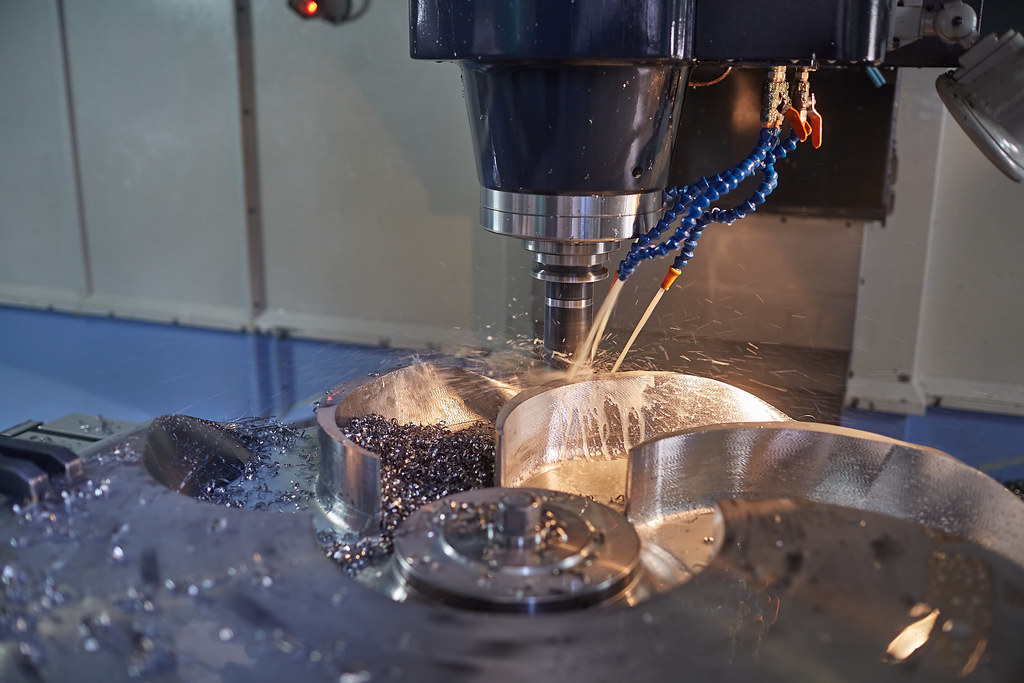
Stainless resists corrosion because chromium in the alloy reacts with oxygen to form a thin, self-healing passive layer. Problems start at the surface: machining tools embed tiny particles of free iron, and the heat and abrasion of cutting disturb the passive film. Those iron particles rust, and the rust can spread — a part that looks fine off the machine may show spots within days. The fix is to clean the surface of free iron and let a strong, uniform passive layer reform.
Passivation
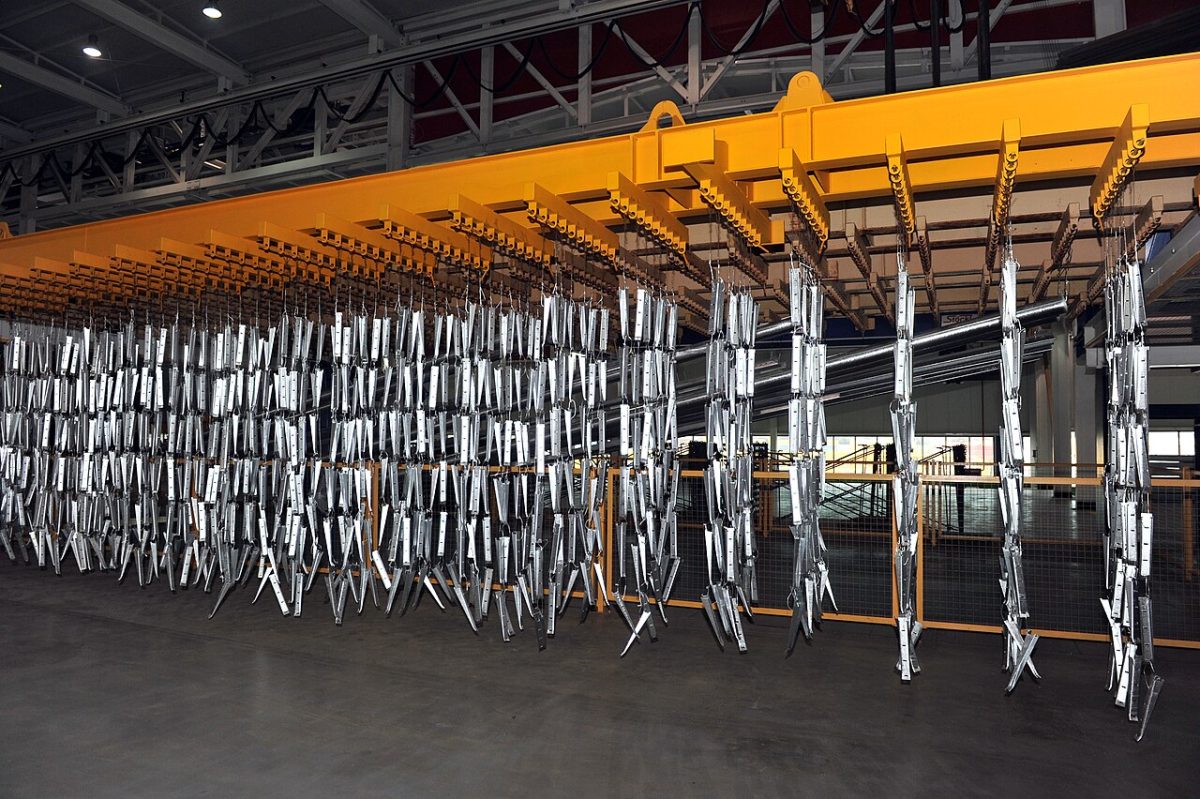
Passivation is a chemical treatment — the part is cleaned and immersed in an acid bath (traditionally nitric acid, increasingly safer citric acid) that dissolves the free iron from the surface without attacking the bulk stainless. With the iron gone, the chromium-rich surface re-oxidises into a fuller, more uniform passive film. Passivation removes almost no material and does not change appearance or dimensions — it simply maximises the corrosion resistance the alloy is capable of. It is governed by standards such as ASTM A967. Think of it as cleaning and recharging the protective layer.
Electropolishing
Electropolishing goes further. It is essentially reverse electroplating: the part is made the anode in an electrolyte and a controlled current removes a thin layer of metal, preferentially dissolving the microscopic peaks. The result is a smoother, brighter, ultra-clean surface with a lower roughness (Ra), no embedded contaminants, and an enriched chromium surface that resists corrosion even better than passivation alone. Because it levels the micro-peaks, electropolishing also deburrs fine edges and makes surfaces far easier to clean — vital in medical, food and semiconductor work. It is covered by standards like ASTM B912.
Passivation vs Electropolishing
| Passivation | Electropolishing | |
|---|---|---|
| Mechanism | Chemical removal of free iron | Electrochemical removal of a metal layer |
| Removes material | Negligible | Yes (a thin, controlled layer) |
| Surface finish | Unchanged | Smoother and brighter |
| Corrosion resistance | Restored to full potential | Improved beyond passivation |
| Extras | — | Micro-deburr, easy-clean, decorative shine |
| Relative cost | Lower | Higher |
Choosing the Right Treatment
- Default to passivation for most machined stainless parts — it is the low-cost insurance that removes free iron and prevents rust. See our stainless grades guide.
- Specify electropolishing when you also need a smooth, ultra-clean, bright or easy-to-sterilise surface — medical, pharmaceutical, food, vacuum and semiconductor parts.
- Mind dimensions on tight tolerances. Passivation is dimensionally neutral; electropolishing removes a small, predictable amount — account for it on precision features and fits.
- Both need clean parts first. Oil, scale and shop dirt must be removed or the treatment is compromised.
- Choose a suitable grade. Higher-chromium and molybdenum grades passivate and electropolish to better corrosion resistance.
The Bottom Line
Machined stainless is vulnerable until its surface is treated. Passivation chemically strips the free iron and lets the protective chromium-oxide layer reform — cheap, dimensionally neutral and the right default for almost every stainless part. Electropolishing removes a thin layer to leave a smoother, brighter, even more corrosion-resistant and easy-to-clean surface, for parts where cleanliness and finish matter as much as rust resistance. Pick passivation as standard, step up to electropolishing where hygiene and finish demand it, and stainless lives up to its name.
MechPart Pro passivates and electropolishes stainless parts to ASTM standards, with the pre-cleaning and grade selection each requires, and inspection to confirm corrosion resistance. Share your drawing and our engineers will recommend the right treatment — and account for any electropolish stock removal — as part of our free design-for-manufacturability review. Compare finishes in our surface finishes guide and alloys in the materials guide.
Related capabilities
Have a part to make?
Upload your CAD for a detailed quote and free DFM feedback within 24 hours.