Metal Casting vs. Forging: Choosing the Right Process
Casting shapes molten metal; forging shapes solid metal under force. The difference shows up in grain structure, strength, geometry, and cost — here is how to choose.

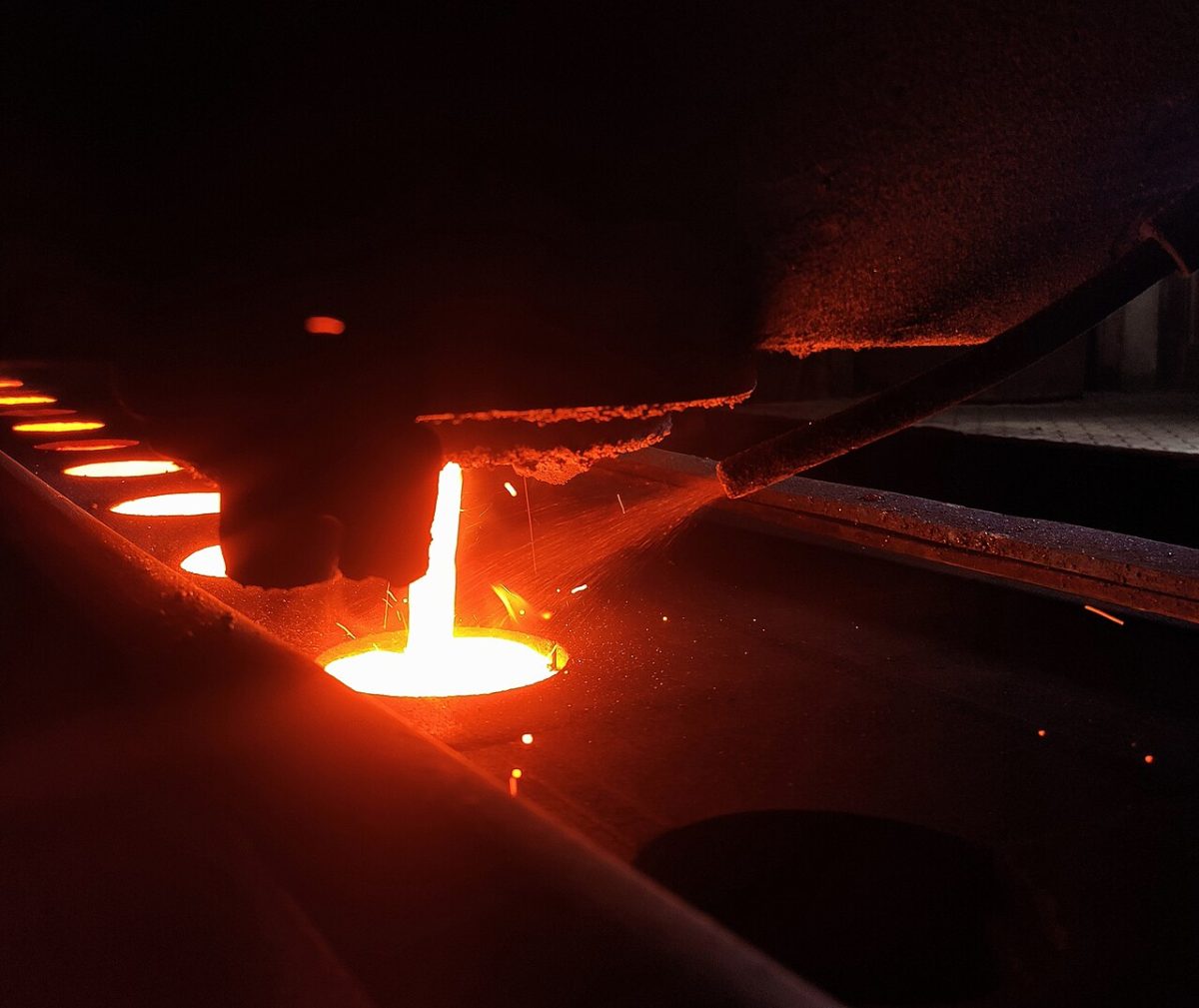
Casting and forging are two of the oldest ways to shape metal, and engineers still argue over them for good reason: they produce parts with genuinely different properties. Casting melts metal and pours it into a mold. Forging keeps the metal solid and shapes it under massive force. That one distinction — liquid versus solid — explains almost every trade-off between them.
Grain structure is the real story
When metal is cast, it solidifies from liquid, so its internal grain structure is essentially random and can contain small voids or porosity. When metal is forged, the grain flow is compressed and aligned to the shape of the part, like the grain in a piece of wood following the curve. That aligned grain flow is why a forged part is typically stronger and tougher than a cast one of the same alloy — especially under impact and fatigue.
If a part sees heavy cyclic loads or shock — crankshafts, connecting rods, lifting hooks, high-pressure fittings — forging's grain flow is a real, measurable advantage.
Geometry: casting wins on complexity
Because casting fills a mold as a liquid, it can produce intricate shapes with internal cavities and thin, complex webs that forging cannot reach. Forging is limited to shapes you can actually squeeze into a die, so deep internal passages and elaborate geometry are out. If your part is geometrically complex but not highly stressed, casting is usually the answer. Our forging processes guide and casting defects guide go deeper on each.
Cost and volume
- Casting generally offers lower cost per part for complex shapes and a wide range of alloys, including cast iron.
- Forging dies are expensive and the process suits simpler, high-strength shapes at volume. You pay more, and you buy strength.
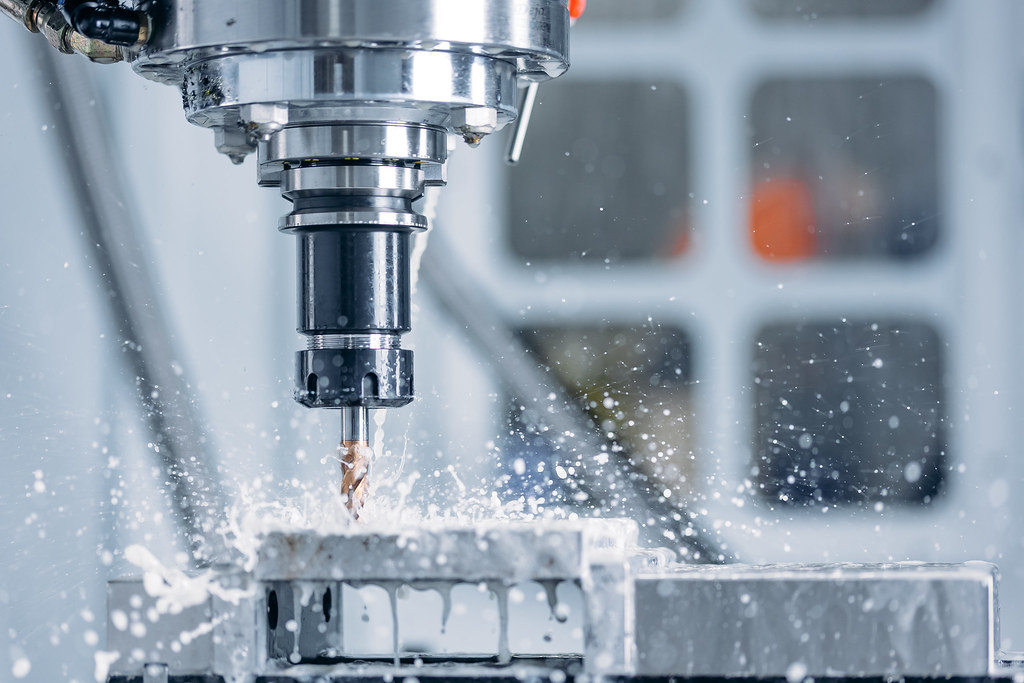
Both are volume plays — the tooling only amortizes over a real production run. For low volumes or one-offs where strength allows, cutting the part from solid by machining may be cheaper and faster than either.
Materials
Casting handles almost any metal, including high-carbon cast irons that are hard to work any other way. Forging is done in steels, aluminum, titanium and select alloys chosen for how they behave under deformation and heat treatment, which is often used afterward to reach final hardness.
How to choose
- Maximum strength, fatigue and impact resistance, simpler shape: forging.
- Complex geometry, internal cavities, wide alloy choice, lower cost: casting.
- Low volume or tight tolerances on a strong part: machine from solid, or cast/forge then finish-machine the critical features.
- Deciding between casting methods: see die vs. sand casting and investment vs. sand casting.
Tell us the loads your part sees and your volume, and we will recommend cast, forged or machined with a quote.
Related capabilities
Have a part to make?
Upload your CAD for a detailed quote and free DFM feedback within 24 hours.