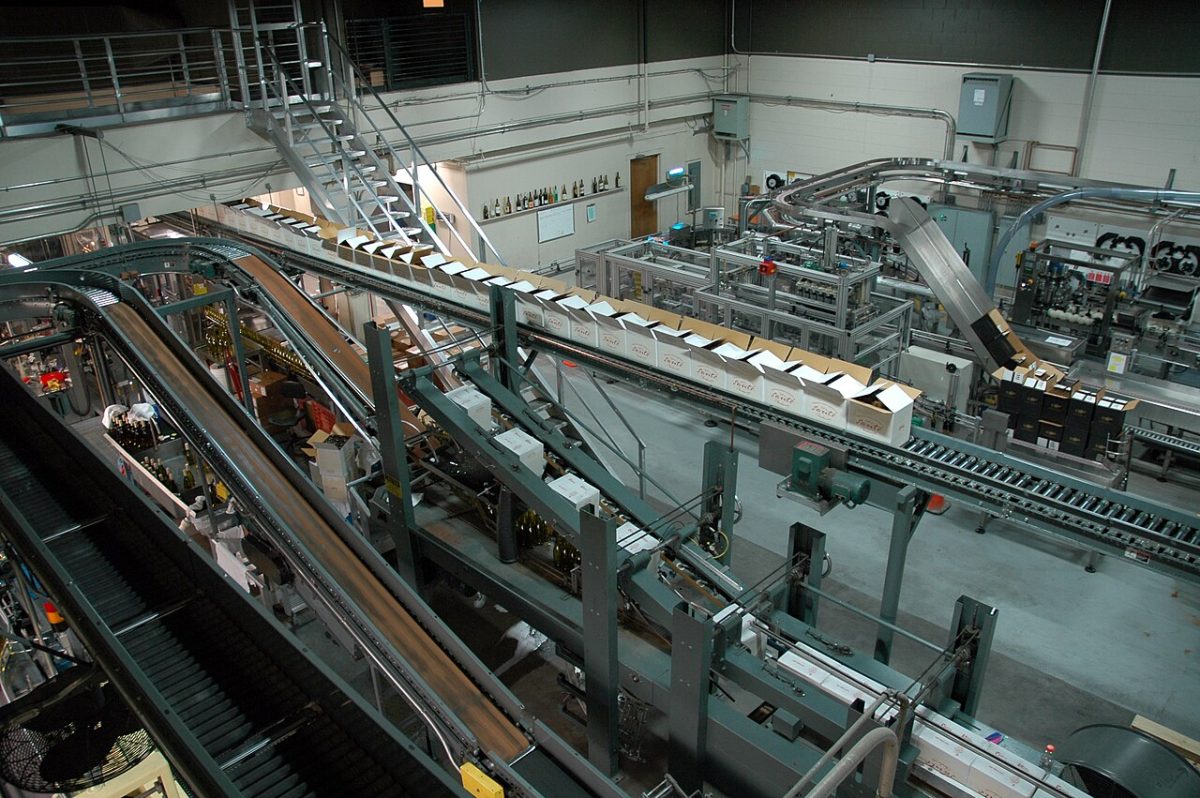
Understanding International Quality Standards for Manufacturing
ISO 9001, IATF 16949, AS9100 and ISO 13485 — what each standard actually means, which industries require them, and what to ask a supplier for.

When a supplier says they are "quality certified," it is worth knowing exactly what that means. Quality standards are the audited frameworks that make a factory's promises verifiable — they define how work is documented, how problems are caught and corrected, and how consistency is proven over time. For a buyer, the right certificate is a strong signal; the wrong or missing one is a real risk. Here is what the major standards mean.
ISO 9001 — the baseline
ISO 9001 is the foundation of quality management and the one most customers treat as a minimum. It does not specify how to make a part; it specifies that the company has documented processes, defines responsibility, tracks nonconformance, and continually improves. A shop with a live ISO 9001 system has the habits that keep quality repeatable. If a supplier cannot show even this, be cautious.
IATF 16949 — automotive
IATF 16949 builds on ISO 9001 with the automotive industry's extra demands: defect prevention, reduction of variation and waste, and rigorous supply-chain quality. It is the price of entry to supply carmakers and their tiers. Its tools — PPAP, control plans, capability studies — are demanding, which is exactly why they produce consistency at scale. See FAI vs. PPAP.
AS9100 — aerospace and defense
AS9100 layers aerospace requirements on top of ISO 9001: full traceability, configuration management, risk management and counterfeit-part controls. Aerospace tolerates almost no escape rate, and the paperwork reflects that. If your part flies, this — and the deep documentation behind it — is usually non-negotiable. Our aerospace machining guide covers the practical side.
ISO 13485 — medical devices
ISO 13485 is the quality standard for medical device manufacturing, emphasizing traceability, cleanliness, validation and record-keeping for regulatory approval. It shares DNA with ISO 9001 but is far stricter about documentation and risk. See medical component manufacturing.
What these standards give you as a buyer
- Repeatability — a system that makes part 10,000 like part 1.
- Traceability — the ability to trace material and process back if something goes wrong. See material certifications and traceability.
- A closed loop on problems — defects trigger root-cause analysis and corrective action, not just a re-run.
How to verify — not just trust
Certificates expire and get misused. Before you rely on one:
- Ask for the actual certificate and check the scope and expiry date — the scope must cover what you are buying.
- Confirm the registrar is accredited.
- Ask for real evidence: an inspection report, a First Article, or sample test data.
A certificate says the system exists; the inspection data says your parts are right. Ask for both. And when you are choosing a supplier overall, quality certification is one of several criteria — see how to choose a precision parts manufacturer.
Want documented quality on your parts? Tell us which standard you work to and we will quote the inspection in — start a quote or see our quality page.
Related capabilities
Have a part to make?
Upload your CAD for a detailed quote and free DFM feedback within 24 hours.