FDM vs SLA vs SLS: Which 3D Printing Process to Use
3D printing isn't one thing. FDM, SLA and SLS make parts that differ wildly in strength, finish and cost. A plain-English comparison and which to pick for models, looks, or functional parts.

“Can you just 3D print it?” is a fair question — but “3D printing” isn't one thing. The three processes you'll actually be offered — FDM, SLA, and SLS — produce parts so different in strength, finish, and cost that picking the wrong one wastes your money or hands you a part that fails. Here's the plain-English version of which is which and when to reach for each.
The 30-second summary
| FDM | SLA | SLS | |
|---|---|---|---|
| How it works | Melts and lays down plastic filament | Cures liquid resin with light | Fuses nylon powder with a laser |
| Best for | Cheap concept models, jigs, fixtures | Fine detail, smooth surface, looks | Functional plastic parts, small batches |
| Surface finish | Visible layer lines | Smooth, near-injection-molded | Slightly grainy, matte |
| Strength | Weak across layers (anisotropic) | Stiff but can be brittle | Strong, isotropic, tough |
| Support material | Needs supports | Needs supports | None — powder supports itself |
| Cost | Cheapest | Middle | Highest |
FDM — the cheap workhorse
Fused deposition models a part by squeezing melted plastic out of a nozzle, layer by layer. It's the cheapest and most available process, and it's perfect for what it's for: concept models you just need to hold, shop fixtures, jigs, and throwaway test fits. The catch is in the layer lines — an FDM part is genuinely weaker between layers than along them, so a part loaded the wrong way snaps at a layer boundary. Use FDM when nobody's going to load the part hard and you don't care about cosmetic finish.
SLA — the looker
Stereolithography cures liquid resin with a precise light source, and the result is the smoothest, most detailed print you can get — fine features, crisp edges, a surface close to injection-molded. That makes it the go-to for visual prototypes, parts you'll show a customer, and anything with intricate detail. The tradeoff: many standard resins are stiff but brittle, and some degrade or yellow in UV over time. Use SLA when the part needs to look right or hold fine detail, not when it needs to survive abuse.
SLS — the functional one
Selective laser sintering fuses nylon powder with a laser, and it's the one that makes working plastic parts. Because the surrounding powder supports the part as it builds, SLS needs no support structures — so you can print complex geometry, internal channels, and even moving assemblies in one shot. The parts are strong in every direction (isotropic) and genuinely tough. It's the priciest of the three, with a slightly grainy matte finish, but for functional prototypes and low-volume end-use plastic parts it's usually the right call. This is the process people mean when they say 3D printing can replace short-run molding.
When to 3D print — and when to stop
All three shine at low quantity and fast turnaround with no tooling. But 3D printing isn't free of limits: material choice is narrower than machining, tight tolerances are harder to guarantee, and per-part cost barely drops with volume — so it never “scales” the way molding does. The rough decision:
- 1–few, fast, plastic, geometry-heavy? 3D print — SLS if it must function, SLA if it must look good, FDM if it's just a model.
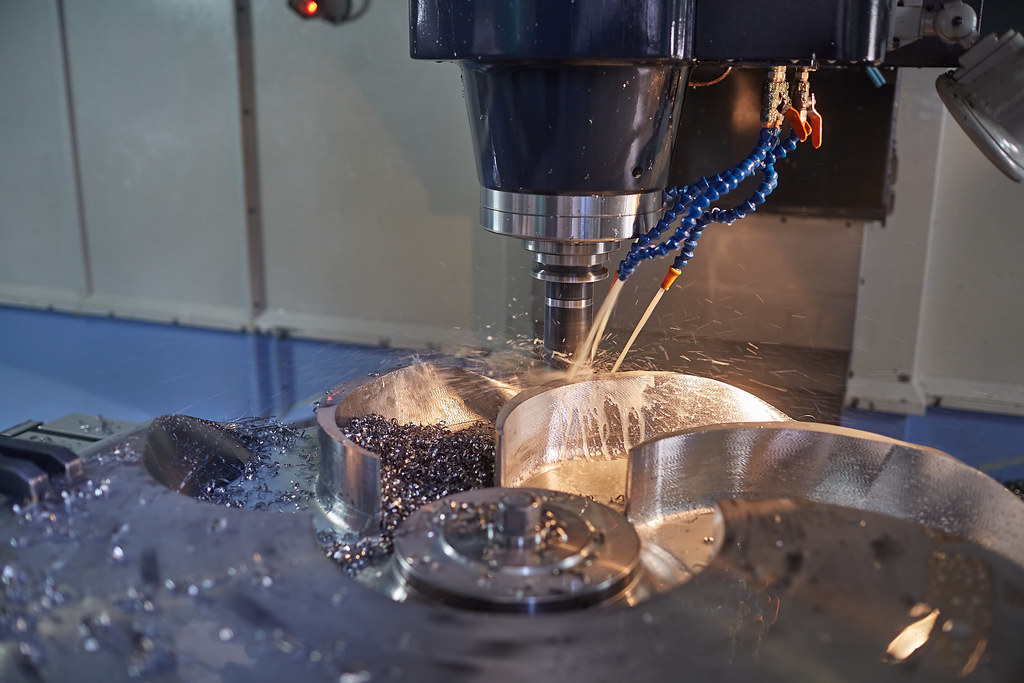
- Need tight tolerance or metal? CNC machining — printing won't hold it.
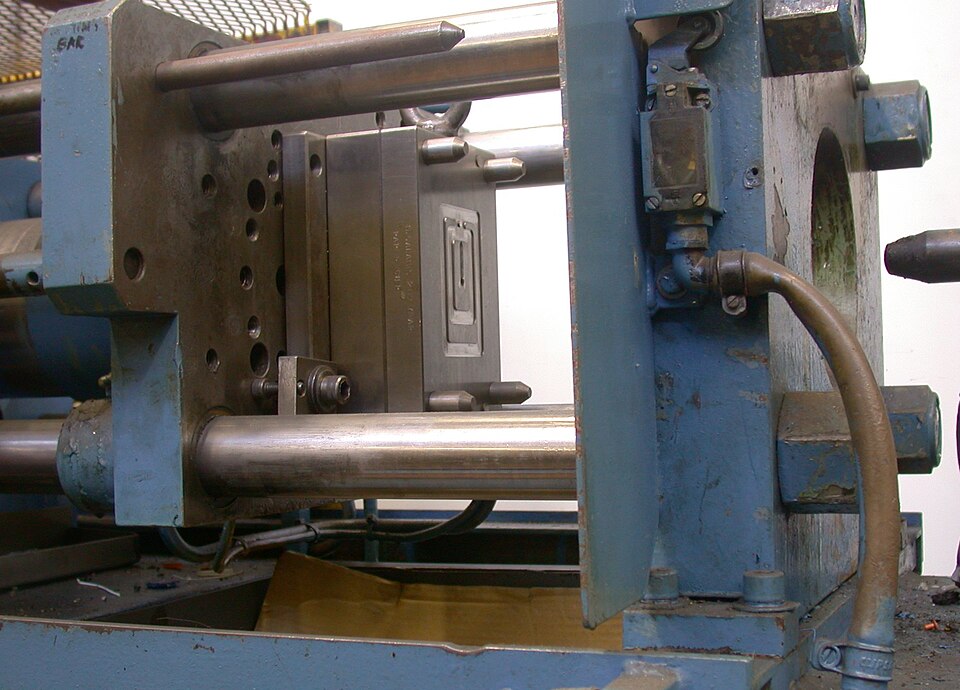
- Need hundreds or thousands of a plastic part? Injection molding — the tooling pays for itself.
For the bigger map of how additive fits alongside everything else, see choosing the right manufacturing process and our overview of rapid prototyping methods. For printing in metal rather than plastic, that's a different animal — see metal 3D printing.
Not sure which process fits your part — or whether it should be printed at all? Send us the CAD and quantity; we'll tell you straight whether FDM, SLA, SLS, machining, or molding gives you the best part for the money, and quote whichever actually wins.
Related capabilities

Have a part to make?
Upload your CAD for a detailed quote and free DFM feedback within 24 hours.